Stay connected. Join our list
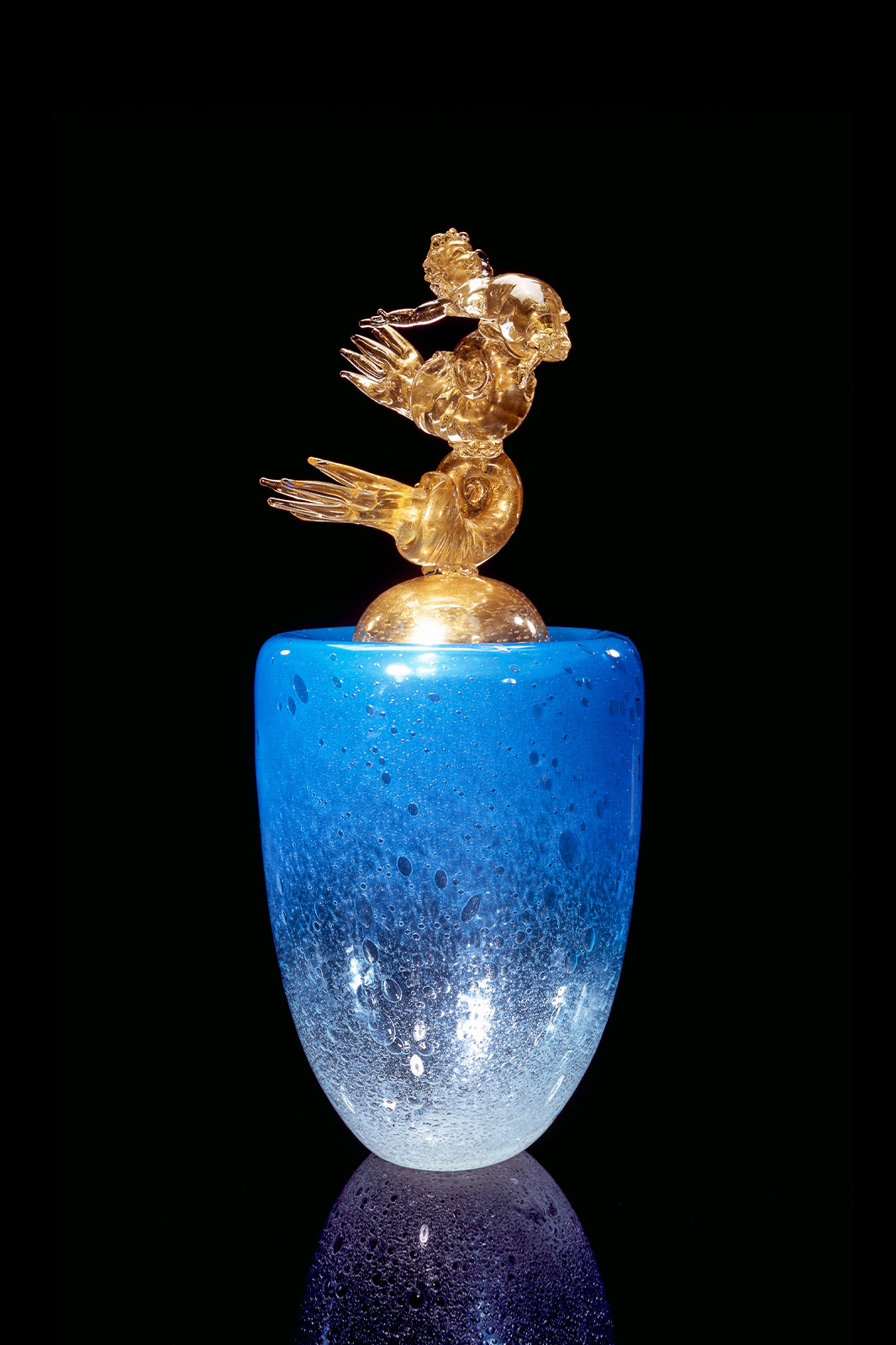
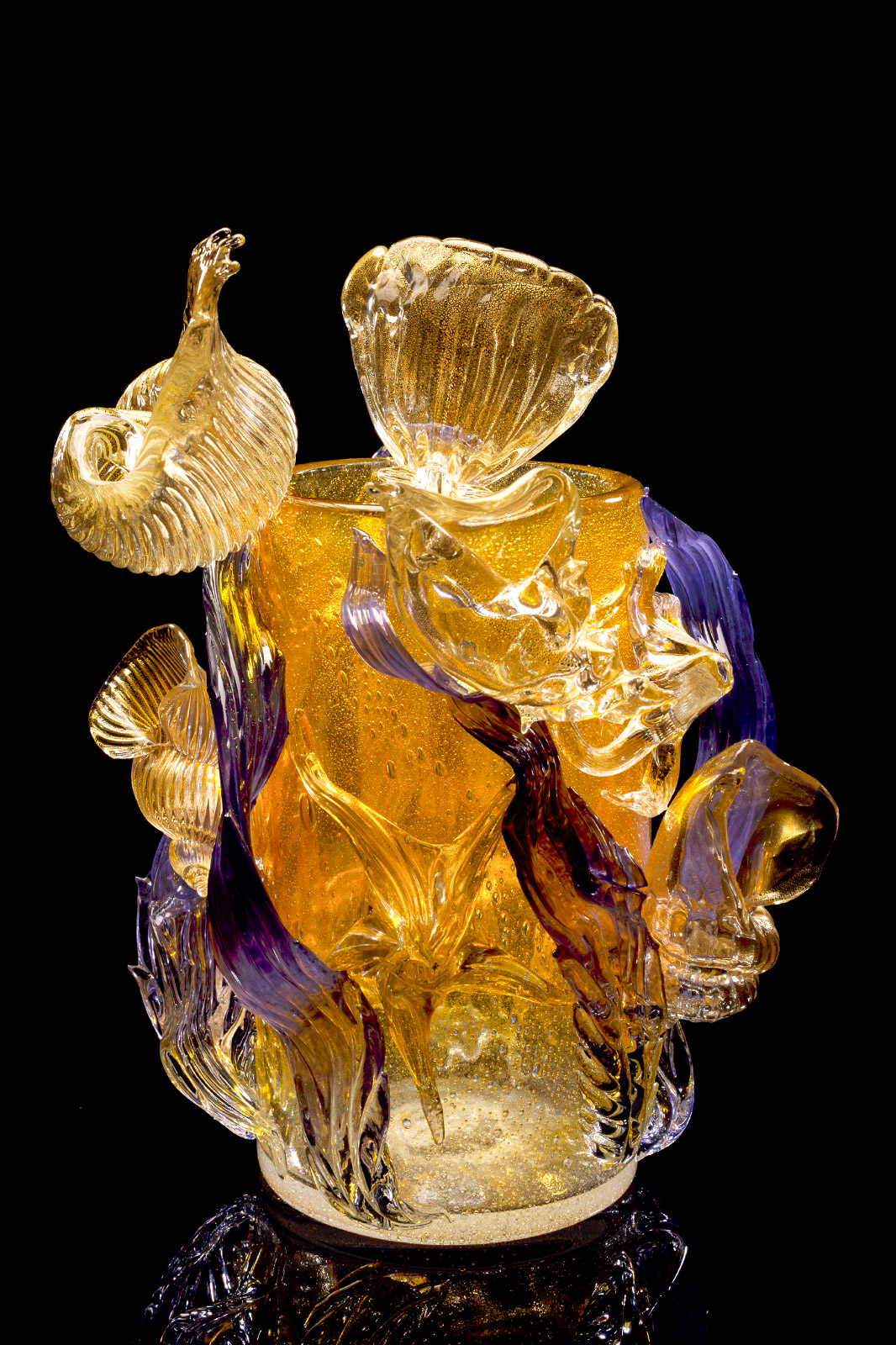
Silvered Lobster and Cuttlefish atop Speckled Carmine Vessel, 2006, 36 x 17 x 17" Inquire
Mischievous creatures
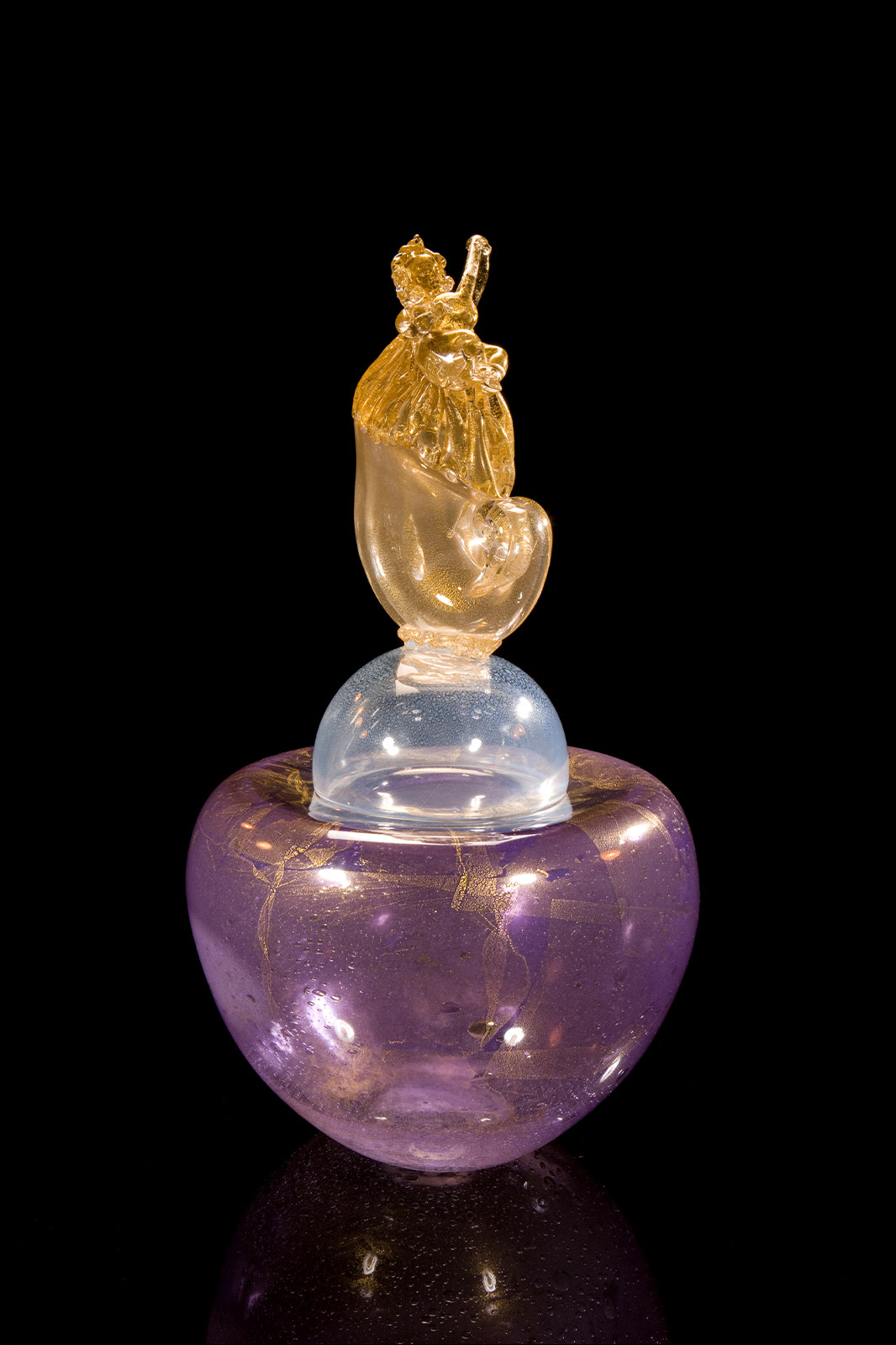
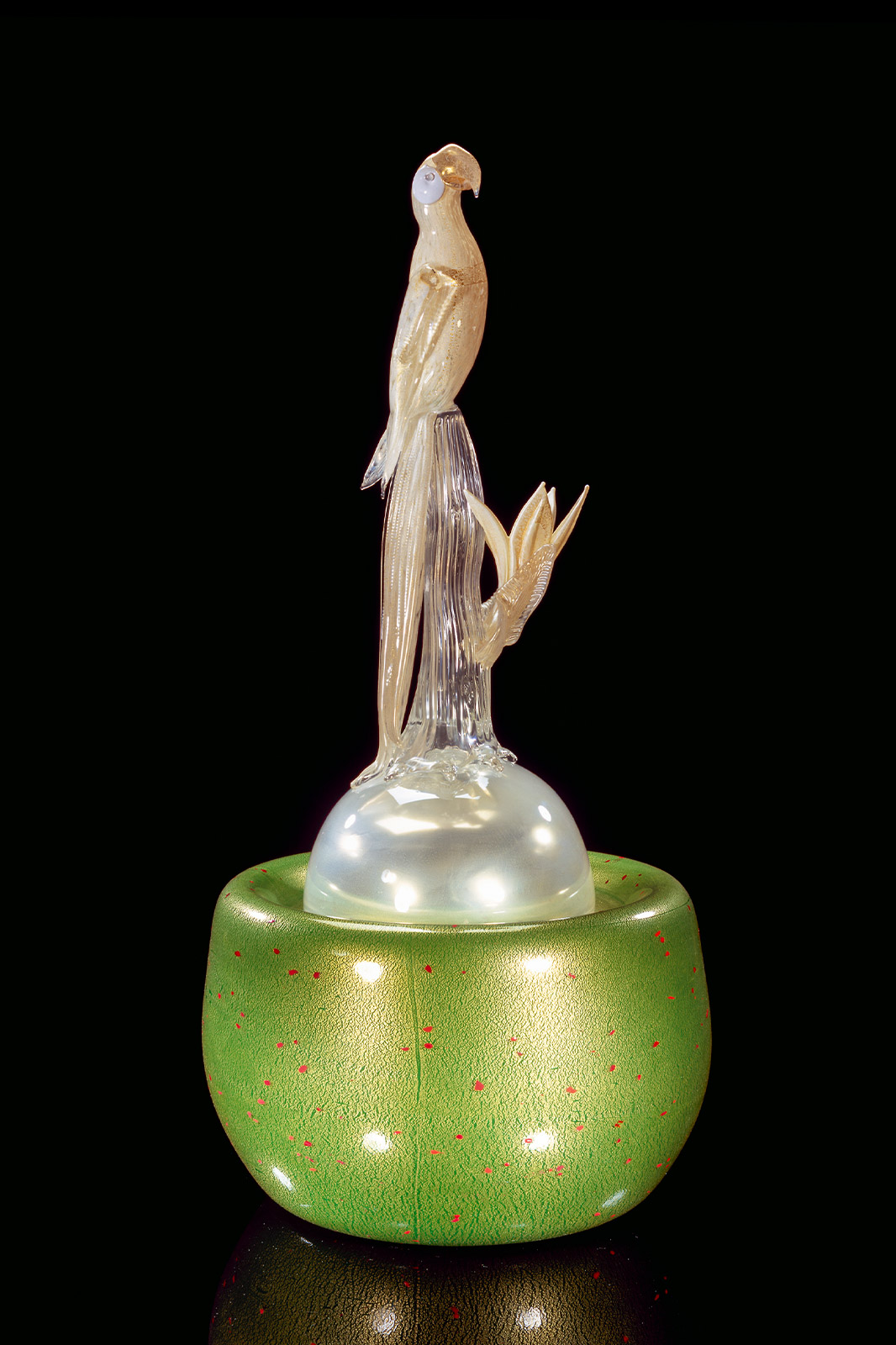
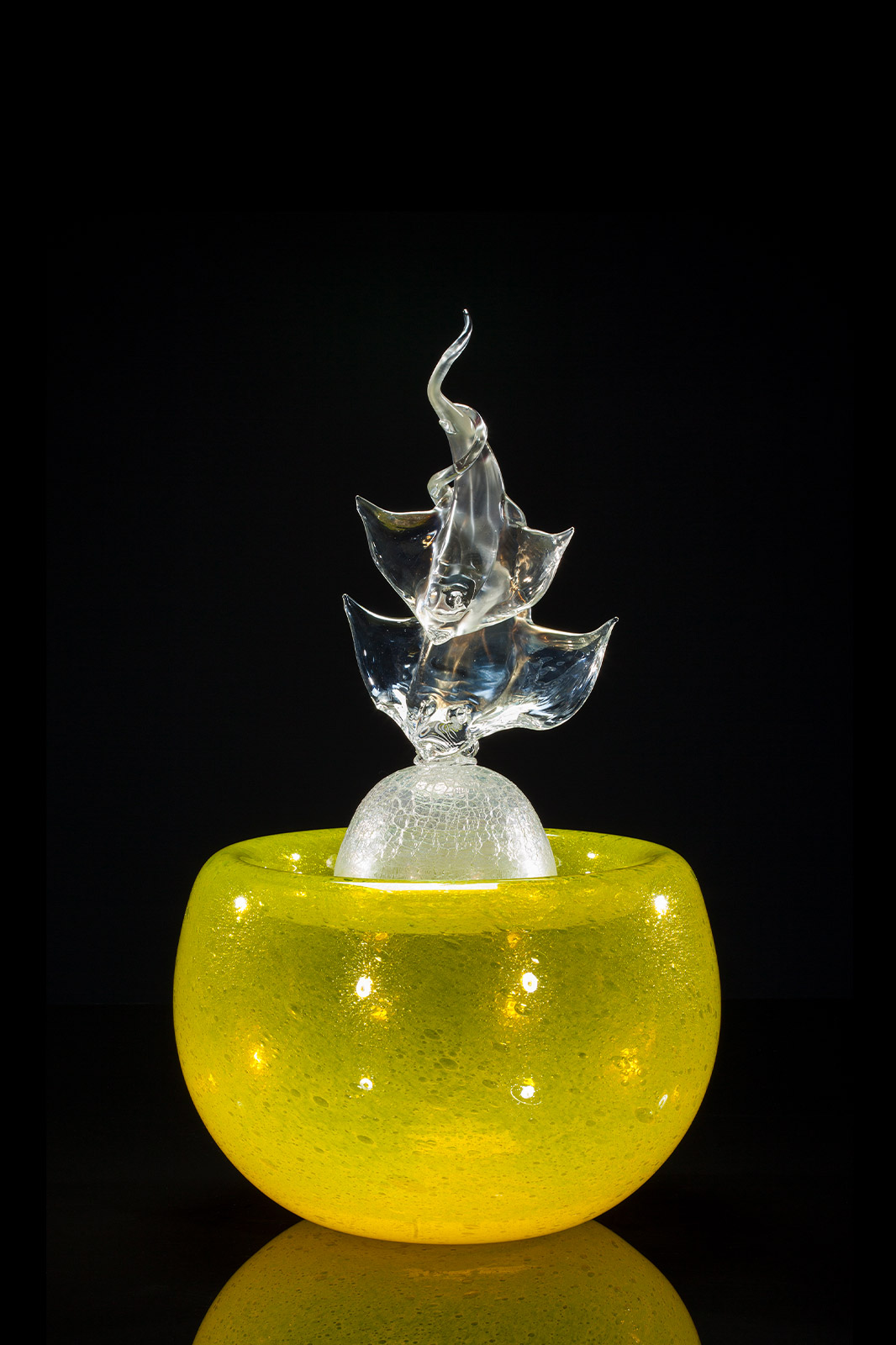
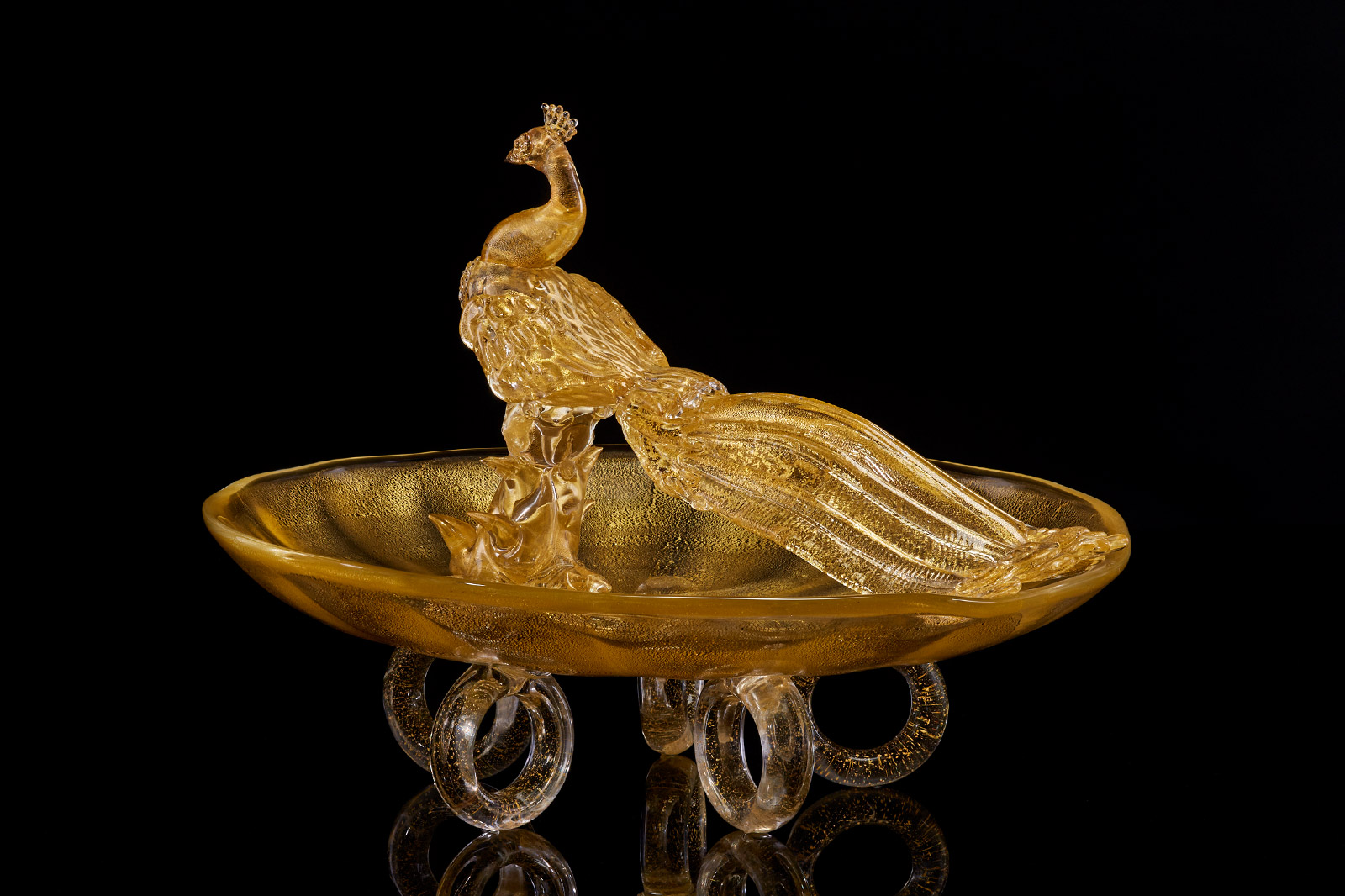
Chihuly worked with Italian glass master Pino Signoretto on this series, to add classical solid glass figures to contemporary blown glass vessels. The name Putti was inspired by the frolicking cherubs featured in their earliest pieces. Since then, Putti has expanded to include vessels with a range of mischievous figures, such as birds, mammals and sea creatures.
SEE THE PROCESS
Play video
An international effort
Chihuly worked closely with Italian glass masters on the Putti series, creating a union of traditional glass practices with contemporary glass approaches. Measuring up to four feet in height, the Putti series typically employed large teams, ranging upwards of ten artists, working together.

Putt Sealife blow with Pino Signoretto (center), Chihuly and team, Museum of Glass, Tacoma, Washington, 2006

Chihuly, J.P. Canlis, and Pino Signoretto, The Boathouse hotshop, Seattle, 1998

Pink Putti Drawing, 1989, 30 x 22"
Putti on paper
Chihuly explored the possibilities of Putti in drawings, ranging from sketches sent via fax, to painted Works on Paper. His drawings frequently served as the model for Putti, as Pino Signoretto was quite adept in sculpting directly from objects or drawings.
“Somehow the Putti just look extraordinary in glass. Traditionally they were done in wood, or in plaster, or cast in bronze, and of course used in paintings. To me, the Putti look best made out of glass. I don't know what it is. Maybe it's because you can see through it. They’re happier in glass.”
–CHIHULY
Inquire about Artwork
Inquire more info
Back to Work: Glass
Explore more info